
We keep having the same fight.
One of you pushes to be heard. The other shuts down to keep things from getting worse. Both of you end up alone.
I offer Christian marriage counseling for couples in Joplin, Webb City, and the surrounding Four States area. I’m Shira Hearn, LMFT, and I use Emotionally Focused Therapy to work with recurring conflict, emotional distance, betrayal, and intimacy concerns. We can include your faith when both of you welcome it.
You pray, apologize, promise to communicate better—and then the same argument returns. One of you reaches harder; the other shuts down. I help Christian couples slow that cycle, uncover the hurt beneath it, and rebuild safety, trust, and closeness.

You may have prayed about it, promised to be kinder, read the books, or tried to let it go. Then the same trigger lands and both of you are right back in the same lonely place. That does not make your faith weak or your marriage hopeless. It means the pattern needs help.
One of you pushes to be heard. The other shuts down to keep things from getting worse. Both of you end up alone.
The household still works, but affection, curiosity, playfulness, and the feeling of being chosen have gone quiet.
You may want to forgive and still feel unsafe. Apologies alone have not stopped the questions, fear, shame, or defensiveness.
Sex, affection, rejection, or silence has become another place where pressure builds and both of you can get hurt.
I understand that words like covenant, forgiveness, submission, grace, and sexual faithfulness can carry enormous weight. I will not flatten those convictions into generic language—or use them to rush past pain that needs honest attention.
This is not a Bible study, and I will not preach at either of you. We can pray together, talk about Scripture, and wrestle with the hard questions. What does forgiveness look like when you’re still hurting? How do you love someone you’re struggling to trust? Those conversations belong here. The clinical work remains structured, ethical, and grounded in couples therapy.
I will not decide which spouse is the better Christian.
Faith will never be used to silence hurt, excuse harm, or force premature forgiveness.
A skeptical, tired, angry, or uncertain spouse is still welcome in the room.
I meet you where you are spiritually—whether you’re just beginning your Christian journey or have walked with God for decades. You and your spouse don’t have to be in the same place.
Your pastor may know your family, understand your beliefs, and have walked with you through some of the hardest parts of your life. That support can matter enormously. When the same painful argument keeps returning, it also helps to have someone trained to work with what happens between the two of you.
“Christian counselor” can describe people with very different qualifications. Some offer licensed psychotherapy; others offer pastoral care or another form of support. Some pastors are also licensed therapists. Ask what the person is trained to do and what kind of service they are offering.
I’m a Missouri-licensed Marriage and Family Therapist, and couples are my entire practice. I use Emotionally Focused Therapy to slow down the argument, help you reach the feelings underneath it, and help your partner hear what you have been struggling to say. Faith can be part of that work. Prayer and Scripture are included when both of you welcome them.
You can continue receiving support from your pastor while you come to therapy. We can discuss whether any coordination would be useful and what you want shared.
I use Emotionally Focused Therapy (EFT) to help you understand what happens between you when connection feels threatened. We do more than discuss last week's argument. We slow the pattern down while it is happening and create a safer way to reach for each other.
We name the pursue, withdraw, criticize, defend, or freeze pattern so the problem is no longer simply your spouse.
We find the fear, grief, longing, shame, and need for reassurance hidden beneath the reaction.
You learn to stay emotionally present, speak vulnerably, and respond in ways that rebuild safety and trust.
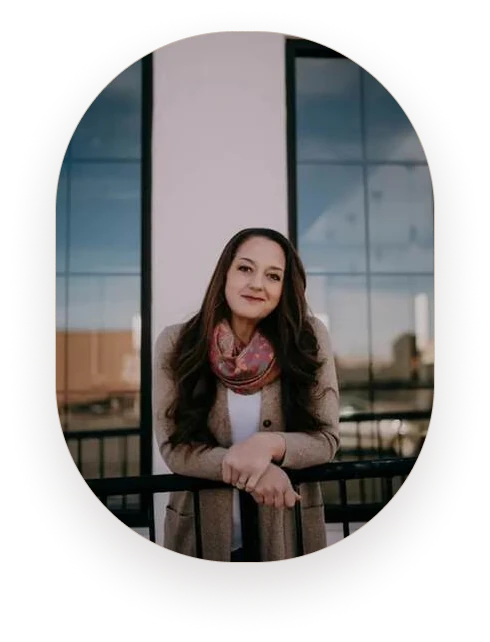
Couples work requires more than being a good listener. It means tracking two nervous systems, protecting both partners, recognizing the cycle in real time, and helping each person reach the other without turning the session into a courtroom.
I am a Christian, a pastor's daughter, a Fuller Seminary–trained Licensed Marriage and Family Therapist, and an advanced student of Emotionally Focused Therapy. My caseload is couples exclusively. I understand church language from the inside—and I know clinical skill still matters.
Start with the concern that feels most urgent. Each path stays grounded in the same couples-only, attachment-focused work.
When every conversation becomes the same fight—or no conversation happens at all.
Explore this path →Structure for the questions, shame, hypervigilance, grief, and repair after betrayal.
Explore this path →A safe, non-performance-focused way to talk about intimacy, rejection, pressure, and longing.
Explore this path →Build a stronger pattern before old defenses and unspoken expectations become the marriage.
Explore this path →You notice the old spiral earlier. You say what actually landed instead of launching the counterattack. You stay in the room. Forgiveness becomes a process of honest repair—not pressure to pretend the injury no longer matters.
Couples work needs enough room to get beneath the argument, help both of you feel understood, and practice something different before the session ends. My office is near the Webb City/Joplin border.
Choose an appointment online. You do not need a complete relationship history, a rehearsed opening statement, or certainty that counseling will work. You both need enough willingness to show up.
See available appointment timesNo. I work with couples of all backgrounds. If faith is part of how you understand your marriage, I will meet you there. If one partner is less certain—or does not want a faith-based frame—that difference will be respected, not argued away.
When it is relevant and genuinely welcomed, yes. Scripture and prayer can support the work; they are not a substitute for the clinical work, and they will never be used to shut down pain or pressure either partner.
I will challenge both of you and protect both of you. Your relationship is the client. My job is not to name the better spouse or better Christian; it is to help both of you see and change the pattern that is hurting you.
You do not need matching levels of enthusiasm. Skepticism is welcome. You both need enough willingness to show up, be honest, and let us look closely at what keeps happening between you.
It can help you face the injury honestly, stabilize the relationship, and rebuild emotional safety if both partners are willing to do the work. Forgiveness is not treated as a shortcut around accountability or repair.
No. Sessions are private pay at $180 for 100–110 minutes. Working outside insurance keeps the length and structure of the work focused on what your marriage needs rather than a claims department's rules.
At my practice, Christian marriage counseling is couples therapy with room for your Christian faith. We work on the conflict, distance, trust, or intimacy concerns that brought you here, using Emotionally Focused Therapy. We can also talk about how faith shapes your marriage. Religious practices are optional, and both partners’ preferences matter.
Both partners attend together, in person, at my office in Webb City near Joplin. Sessions last 100–110 minutes and cost $180. Couples travel here from Joplin, Webb City, and surrounding communities. I do not offer online appointments.
Yes. I also offer Christian premarital counseling. We can work on how you handle disagreement, ask for support, and talk about the expectations you are bringing into marriage, including faith, money, family, and sex.
You can arrive hopeful, skeptical, exhausted, angry, or unsure. We will start with what keeps happening between you—and what each of you is trying so hard not to lose.
See available appointment times